Showing posts with label Festival Sweet. Show all posts

Tuesday, October 24, 2017

Kadle bele Holige | Bele Obbattu

0
Holige or Obbattu (aka Pooranpoli in Maharashtra) is the quintessential sweet dish made during some of the Indian festivals.  It's a must in our house for Ugadi, Dasara and deepavali. It's one of my favorite sweets, it can be eaten hot with ghee or cold with milk. There is a by product while making this dish. The water left from cooking the dal is retained to make a very delicious kattina Saru (rasam) along with a tad bit of hurna(the sweet mixture stuffed inside the holige). I was always more interested in this spicy, tangy rasam than holige itself . Here is my mother's holige recipe, I follow these measurements to T and always get perfectly done holige. It yields about 12 medium sized holige. Adjust the quantity according to your requirement.


Ingredients:
Split Bengal gram : 250 gms
Jaggery: 250 gms
All purpose flour/whole wheat flour: 250 gms
Salt: 1/8 tsp
Oil: 1 tbsp 
Turmeric: 1/4 tsp
Cardamom powder: 1 tbsp
Oil/Ghee: for cooking/basting 

Method:
1. Take the flour in a mixing bowl and add turmeric and salt. Knead with a little water and make a soft dough (a little stiffer than chapathi dough). Apply a little oil and keep it covered until needed.

2. Pressure cook the split Bengal gram for 5-6 whistles, once the pressure is released strain the water.

3. In a heavy bottomed pan mix jaggery, cooked Bengal gram and cardamom powder. Cook until the jaggery melts and the whole mixture thickens. Let it cool.

4. Put the jaggery and Bengal gram mixture into a grinder/mixer and grind it so that there are no lumps left. Divide into 12 balls of equal size.

5. Take the rested dough and knead well, make 12 equal sized balls (about the size of a lemon) and roll into a small circle, place the sweet mixture in the center and pull the sides of the rolled dough and cover it up.

6. Roll into a small sized roti with light hands. 

7. Place on the hot griddle and cook on both sides. Baste with ghee.

8. Serve it hot with a big dollop of ghee and enjoy! 


Read More »

Saturday, September 2, 2017

Besan Ladoo | Gram Flour Ladoos

0


Besan Ladoo is probably one of the most popular sweet dishes in India. Everyone in my family loves it so I end up making it for most of the festivals. It's very easy to make perfect besan ladoos if we take care of two things -roasting the flour well and adding the right quantity of ghee. 

Adding more ghee makes the ladoos very soft and it doesn't hold well and if its less the mixture will be dry and you wont be able to make ladoos


This box of sweet was for a dear friend who asked me to make it for her party. I love it when friends trust my recipes and ask me to make something for them.

  
Here is the easy recipe that I follow. Do make it for your family this festive season.


 Ingredients:
2 Cups Besan (Gram Flour)
1 cup powdered sugar
1/4 cup ghee (clarified butter) 
1/2 tsp cardamom powder

For garnishing: 
2 tbsp pista powder.

Method:
1. Heat ghee in a thick wok and add besan and roast it on low flame until you get a nutty flavor - takes about 12 minutes. Keep mixing the besan continuously as it gets burnt very easily. Turn off the flame and continue to mix for about a minute. 

2. Now mix in powdered sugar, cardamom powder and mix well. Let it cool down for 15 minutes. 

3. Rub this mixture between your palm to get a crumble texture. 

4. Take a small portion and make round ladoos. Roll onto powdered pista and store in an airtight container.


Notes:
1. Make sure to roast the flour on low flame while mixing continuously. Its an important step as under roasting can give the ladoos a bitter taste. 

2. If the mixture feels dry, add a little ghee before making ladoos.

3. For garnishing you can use almond slivers, raisins, pista powder or any dry fruit of your choice.


Read More »

Sunday, August 6, 2017

Shenga Unde | Peanut-Jaggery Laddu

0


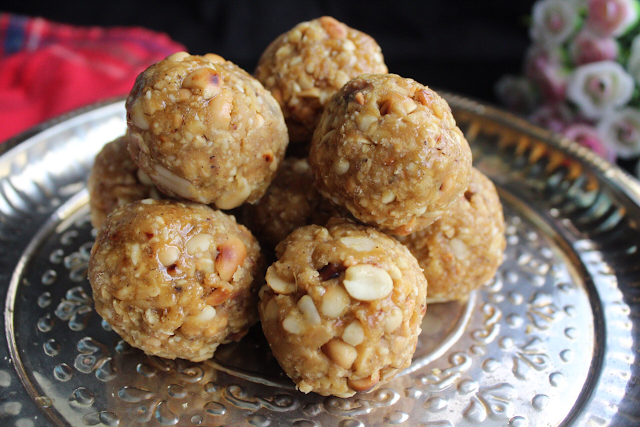
Peanut Laddus are one of my childhood favorites, the ingredients that goes in are almost the same as peanut chikki that we all must have relished as kids. There is another reason why I love it, Jaggery and Peanut have very high nutritive value, it helps in treating iron deficiency anemia, jaggery is known to increase the hemoglobin count in the blood. Since I keep fighting anemia, all these home made goodies with natural health boosters help me recuperate the iron level in my body. Now it's my 3 year old's fav too so it makes more sense to make these batches of laddus regularly, I feel very happy when she asks for the home made sweets than those highly sugar coated chocolates. 


I casually posted an old pic of this laddu on my instagram account last week and the amount of love that I received is so overwhelming and I am really humbled by the generosity and support. So I made these laddus again and managed to click some decent pics to upload the recipe here. This is for all those followers who messaged and commented to ask for the recipe. Thank you all :-)


I have always spoken about how good a cook my mother is, she always has these perfect measurements, I follow her recipe to the T and the result never fails me. Here is the recipe to make shenga/peanut laddu. This makes about 25 medium sized laddus.  You can store it for upto 2 weeks in an air tight jar but who am I kidding, we finish it within 2-3 days :-) It's relatively an easy recipe, once you get the jaggery syrup right the laddus come out perfect. (check notes for tips on jaggery syrup)

Ingredients:


1/2 kg Peanut

1/2 kg powdered Jaggery

1 cup desiccated Coconut

1 tbsp Ghee

1 tsp Cardamom powder

1/2 cup water


Method:

1. Dry roast the peanut on low flame, peel the skin and pulse it to a coarse mixture.


2. Heat ghee in a pan and roast the desiccated coconut until they turn brown.


3. Add water and powdered jaggery in a thick bottomed pan, Cook on medium flame until the jaggery dissolves completely and starts to boil. Lower the flame and check for 1 thread consistency jaggery syrup. (See notes for tips).


4. Once the jaggery syrup reaches the right consistency, turn off the flame and add in peanut mixture, cardamom powder and the roasted coconut. Mix everything well and let it sit for 5 minutes.


5. Apply water on your palm and make equal sized balls. Be careful while handling the mixture as it can be very hot and scald your palm.


6. Store in an airtight jar up to two weeks at room temperature.


 Notes:


1. Do not leave the syrup to boil without checking as it can get done fairly quickly. Keep checking for the consistency once it starts boiling. 

2. Take a little water in a plate and put a drop of syrup, it should let you make a soft ball of it, if it dissolves in the water, continue to boil it check frequently. At this stage the syrup becomes thicker faster so keep an eye on it. 

3. The other way to check is to dip a wooden spatula in the syrup and blow it cool a bit and touch it with forefinger and pull it apart slowly between thumb and forefinger, a single thread is formed that doesn't break. 

4. You can make fine powder of peanut if you do not like the peanut chunks in it.
Read More »

Sunday, July 3, 2016

Mango Payasa | Kheer |

0

The simplest payasa is shavige or vermicelli payasa. Now that the the king of fruits Mango is here, I gave it a twist and made mango payasa. Since the beginning of mango season I have been trying different recipes. My all time favorite mango menaskayi, lassi, aamras and so on. The last one before the season ends is this delicious Mango Payasa/kheer. Did I say it's so easy to make and tastes divine! If you can still get hold of some ripe mangoes do try this recipe and enjoy!


Ingredients:
Sweet Mango puree: 1 cup
Milk: 1 ltr
Sugar: 1/4 cup
Vermicelli: 1 cup
Ghee: 1 tbsp
Cardamom powder: 1/2 tsp

For garnish
Mango pieces: 3-4 tbsp 
Slivered almonds and pistachio: 2-3 tbsp
Saffron strands: 2 pinches

Method:
1. Heat ghee in a non stick pan and roast the vermicelli/shavige until golden brown.

2. Pour milk and boil it for 10 mins.

3. Add sugar and cardamom powder and  continue to boil for another 5 mins. Turn off and cool it completely.

4. Add mango puree and mix well. Chill it in the refrigerator for 2-3 hours.

5. Garnish with some mango pieces, slivered almond, pistachio and saffron strands and serve chilled payasa/kheer. 


Read More »

Wednesday, November 4, 2015

Banana Halwa | Festive Sweet and Deepavali Celebration

0

Deepavali - the festival of lights spiritually signifies the victory of light over darkness. The festival preparations and rituals typically extend over a three to five-day period, but the main festival night of Deepavali coincides with the darkest, no moon night of the year. 


It's one my favorite festivals. lights, colors, sweets, savories and family get-togethers always make this festival very dear to me. I have very fond memories of Deepavali since my childhood. When we all grew up and went to different places to study and work, it was the only time of the year when my sisters, my brother and I would meet up at home. We always looked forward to this festival. 

The night before the Deepavali traditionally the water wells (bavi) and copper pots were cleaned and decorated with marigold flowers and Creepers. Bathroom is cleaned and the fireplace is worshiped before the water is filled in the decorated pots (hande). My job was to beat the jagante (metallic plate with a stick to beat it) while my mother filled water in the pot. This is filling water or 'Neeru tumbuva habba'. I never missed to be home for this day even if that meant taking an additional day off from college or work.

Next morning (Naraka Chaturdashi) we did oil bath (Enne Snana) and in the evening we lit clay lamps and lined them inside and outside the house along Veranda, windowsills, Tulsi and compound wall and gate. Me and my sisters made big rangolis together and decorated with colors and flower petals. This was done for all three days of the festival and 2 clay lamps were lit for one full month of Kartika.

We did Lakshmi Puja (prayer to goddess of Wealth and Prosperity) on no moon day (Amavasye) with all the family members together, it was followed by setting off crackers, pots, rockets and other fireworks.

Next day (Bali padyami) we usually had puja in my father's and uncles' hotels. We all cousins used to dress up and go from one hotel to the other enjoying puja, prasad and most importantly the chit-chat and photo time we all got together :)


My mother makes holige, karchikayi, Avalakki Chooda and other Sweets. From last 2 years I am missing the festival at my mother's place. Yet another year has gone by and my kitchen is gearing up for the festival.

Like the clay lamp which burns itself to spread the light in darkness, let's spread happiness around us this Deepavali. Here is a sweet recipe from coastal Karnataka to indulge on this festive occasion. I wish you and you family a very happy and prosperous Deepavali.  - ದೀಪಾವಳಿಯ ಸಿಹಿ ಹಾರೈಕೆಗಳು.

Prep Time: 5 minutes | Cooking time: 1 hour


Ingredients:
6 Medium size Ripe Bananas
1 Cup Sugar
1 Tsp Cardamom Powder
4 Tbsp Clarified butter /Ghee
8-10 Cashew - chopped into small pieces
1 Tbsp Roasted White sesame seeds for garnish

Method:
1. Peel Bananas, add cardamom powder and Sugar and grind it into a smooth paste in a mixer.

2. Heat 1 tbsp ghee in a thick bottomed pot and roast broken cashews until it turns to golden color.

3. Add the ground banana paste and start sauteing. It will take about one hour to cook completely.
   Scrape the sides and mix it well every 10-15 minutes and add the remaining ghee little by little.

4. Once the banana mixture turns transparent and becomes sticky turn off the flame.

5. Pour it on a greased plate and level with back of a spoon. Sprinkle roasted sesame seeds on top and let it cool down completely.

6. Cut them into small cubes and enjoy the delicious sweet on this festive season.

Notes:
1. Adjust the amount of sugar according to sweetness of banana, usually this dish is made with nendra balehannu  (Musa Nendran Banana) but you can pretty much use any type of banana.
2. You can use sliced almonds or pistachio for garnishing instead of sesame seeds.
Read More »

Tuesday, October 13, 2015

Apple Payasa or Apple Kheer Recipe

0
Apples! Nobody likes to eat them at home..so anytime I buy apples I end up making some dish out of it. Apple Halwa, Chutney, Milkshake, Apple pie etc and this time I turned them into delicious payasa or kheer which everyone at home loved and devoured including my little one :-) 


It's important to cook the apples before adding any milk as it may curdle the milk if it's undercooked. Here is the recipe to make this simple, delicious dessert. 

Ingredients:
Red apple : 3
Milk: 1 liter
Sugar : 1/2 cup
Cardamom powder : 1/2 tsp
Pista : 1 tbsp
Badam : 8-10

Method:

1. Bring milk to boil in a thick bottomed pan and simmer it. Keep stirring in between and let it condense and reduce to half.

2. Grate apples with the peel on and sauté them in another pan until all the water is evaporated and the color of the apples is changed. 

3. Mix in sugar and keep sautéing. Sugar will melt and the mixture will turn a bit watery. Let it cook until Apple and sugar are well cooked.


4. Add 1/4th of the milk to Apple mixture and boil it for 2-3 minutes.Let the remaining milk to boil and condense further.


5. Add some more milk, blanched badam slices, pista, cardamom powder and boil for 2 more minutes.


6. Finally finish it by adding all the remaining milk and bring to boil and turn off the flame.


7. Let it come to room temperature and then chill it in refrigerator for 2-3 hours before serving.

Notes:
1. Ensure to cook the apples thoroughly before adding milk into it to avoid curdling of milk.
2. Use whole milk or full cream milk to get a better taste.
3. Adjust the amount of sugar as per your taste and sweetness of apples
4. If you do not like the Apple peel, you can remove the skin and grate it.
5. To slice the almonds soak them in hot water for 15 minutes, remove the skin and slice them.
Read More »

Thursday, September 17, 2015

Fried Modak for Ganesha festival.

0
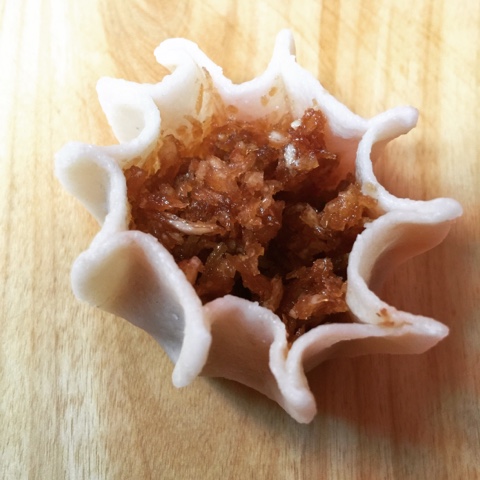
Fried modak is a sweet fried dumpling usually filled with coconut jaggery stuffing. It can be made with many different fillings like mawa, chocolate etc. it has crunchy outer cover and a chewy coconut filling inside. It's also believed to be Lord Ganesha's favorite snack and 21 modaks are offered on Ganesha festival.

Ingredients:
For filling:
Fresh coconut: 1.5 cup
Jaggery:1/2 cup
Cardamom powder: 1/4 tsp
Powdered pistachio: 2 tbsp (optional)

For cover:
All purpose flour: 1 cup
Semolina/Rava: 1/2 cup
Oil :  2 tbsp
Milk: 1/4 cup

Makes about 21-23 modaks.

Method

1. In a mixing bowl combine all purpose flour, semolina and salt to taste. 

2. Add 2 tbsp of hot oil and mix well with a spoon. Knead it into a soft dough by adding little milk at a time. Cover with cling wrap and keep it aside for 30 mins.

3. To prepare the filling, add powdered jaggery and grated coconut in a pan and cook on low flame for 2-3 mins.

4. The mixture will become a bit dry then turn off the flame and add cardamom powder and powdered pistachio and mix well.

5. Take a marble sized dough and roll it into a thin sheet (poori size).


6. Put a spoonful of coconut filling in the center of the rolled sheet.


7. Apply little water to the edges and start pinching the edges as shown in the picture and join all the pinched edges in the center and seal it.


8. Follow the same steps and make other modaks.


9. Heat oil in a deep pan and fry modak on medium flame until they turn golden brown in color


10. Drain them on a kitchen towel to remove excess oil.


11. Cool the modaks before serving. 


Note:
1. Roll the dough into very thin sheets so the outer layer will be crispy.
2. You can replace fresh coconut with dry/ desiccated coconut, add 1-2 tsp milk while making the filling.
Read More »

Saturday, September 5, 2015

Pineapple Kesaribath /pineapple sooji halwa

0

Kesaribath is a sweet dish made with semolina and saffron. It's also known as sheera or sooji halwa in different parts of India. 

Pineapple Kesaribath is made using pineapple chunks or puréed pineapple. I have used pineapple chunks, you can use purée if you don't like the fruit chunks in Kesaribath.

Ingredients:
Semolina/Rava/sooji : 1 cup
Sugar : 1 cup
Clarified butter: 3/4 cup
Pineapple : 1 cup
Cashews: 10-15
Raisins :15-20
Saffron:1 tsp
Water: 2 cups

Method:
1. Cut pineapple into small pieces and keep aside.

2. Heat ghee in a pan and add semolina and mix well.

3. Add saffron and fry semolina in ghee for 2 mins.


4. Add pineapple pieces and mix well and sauté for a min.


5. Next add in 2 cups of hot water on very low flame, cover with lid and let it cook for 3-4 mins. All the water will be absorbed and the mixture will look dry at this point.


6. Mix in sugar and fold properly. After adding sugar the mixture will become a bit liquidy again. Keep mixing it until you get halwa consistency and turn off.


7. Fry cashew and raisins in ghee and mix in the halwa and serve hot.


Read More »